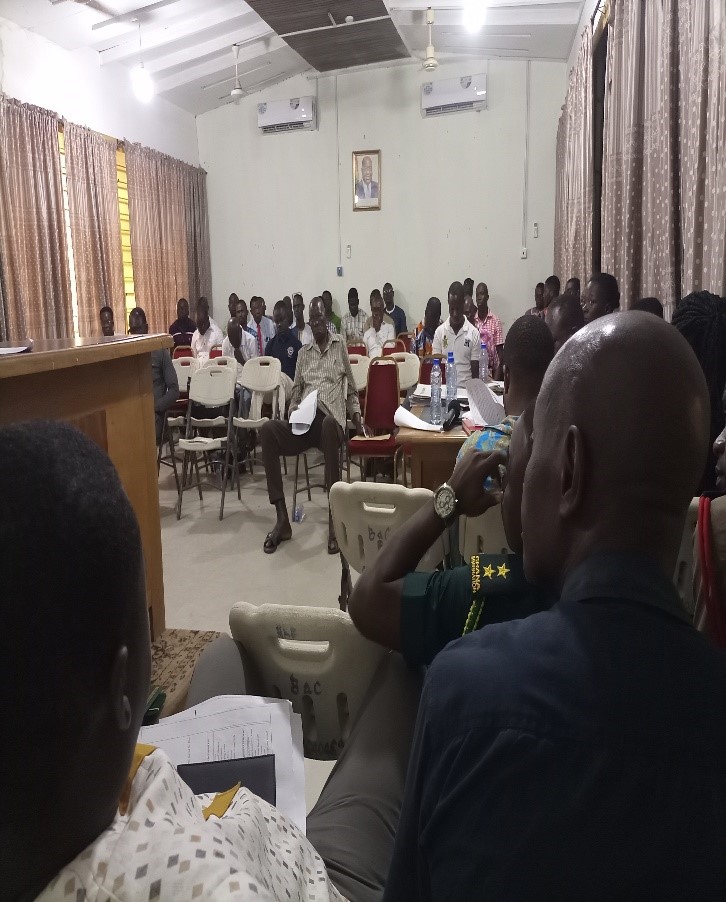
ORIENTATION AND TRAINING PROGRAMME FOR ASSEMBLY MEMBERS HELD FROM THURSDAY 26TH TO FRIDAY 27TH SEPTEMBER, 2024 AT THE KWAME NKRUMAH MOTEL
The two-day training was to introduce Assembly Members to the local governance system, expose them to leadership roles, and equip them with the necessary skills for effective job performance. The training also focused on enhancing the Assembly Members’ abilities to create environments conducive to local economic development, job creation, and revenue mobilization. It emphasized inclusiveness…
The two-day training was to introduce Assembly Members to the local governance system, expose them to leadership roles, and equip them with the necessary skills for effective job performance. The training also focused on enhancing the Assembly Members’ abilities to create environments conducive to local economic development, job creation, and revenue mobilization. It emphasized inclusiveness and building networks among Assembly Members to mutually share best practices for local development. Additionally, the training set a foundation for expediting action on
Ghana’s decentralization program.
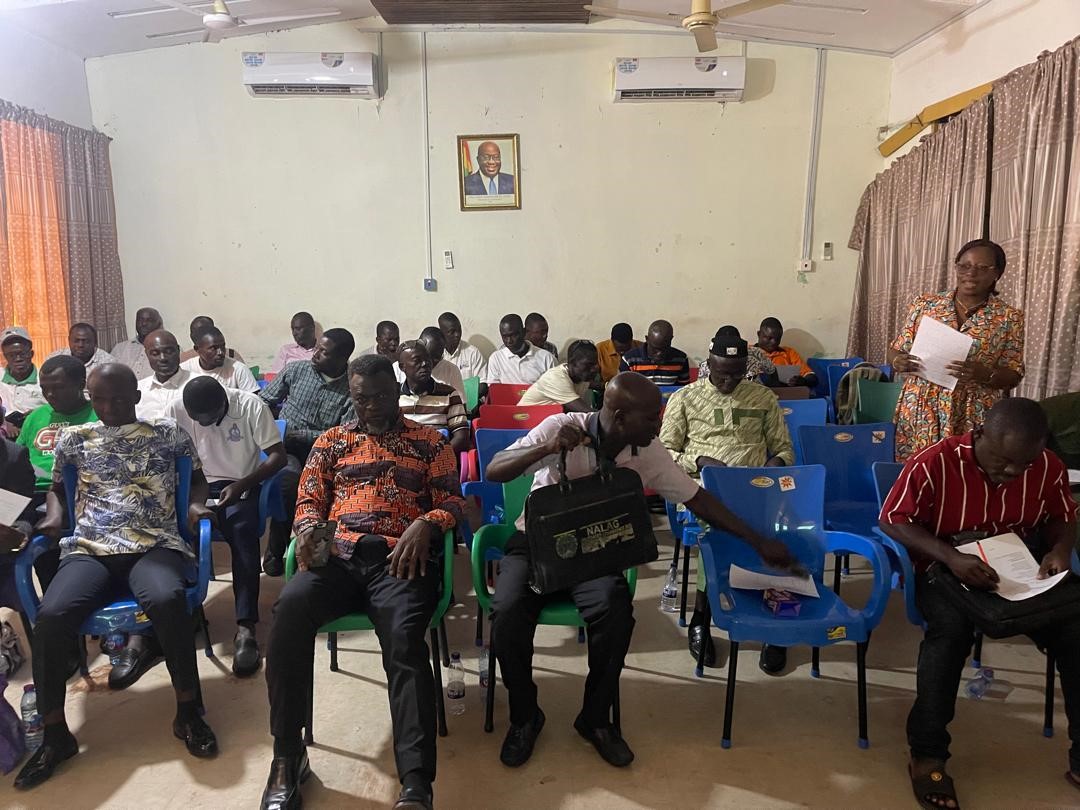

The presentation detailed the program’s structure, which consisted of modules covering Ghana’s decentralization policy, administrative laws, revenue mobilization, ethics, and the roles of Assembly Members in promoting transparency and accountability. Methods employed in the training were participatory, incorporating lectures, question-and-answer sessions, and open forums to encourage discussion. The evaluation techniques used during the training included observations, questionnaires, and monitoring, with participants receiving certificates upon fulfilling the course requirements. The outcomes of the training program were expected to result in competent and proactive Assembly Members, better equipped to articulate issues related to community-level planning and local economic development. Also stressed the importance of Assembly Members developing shared positions on challenges faced by assemblies and learning innovative ways to address these issues. The training aimed to generate good practices and lessons for future job performance, ultimately contributing to effective local governance and development across Ghana. The facilitation team was made up of a representative from the Head of Service, Accra (Mrs. Dr. Audrey Smock Amoah) and Institute of Local Government Studies Ms. Edith Gyateng. The training was specifically curved for all Hon. Assembly Members both elected and government appointees. On day one of the training session, a total number of Thirty-Six (36) people participated of which Thirty-Four (34) of them were males and the remaining Two (2) were females. However, on day two of the training program we had a total number of Thirty-Three (33) participants of which Thirty-Two (32) were male and the remaining One (1) `was female.
Mrs. Audrey Smock Amoah further outlined seven common leadership styles, including autocratic, democratic, and laissez-faire, advising leaders to adopt a flexible approach to their leadership style based on the situation. She also highlighted ethical leadership, noting that effective leaders must think ethically, act transparently, and be accountable for their actions. Leadership effectiveness was linked to how leaders treated people, and Assembly Members were advised to always lead with integrity, demonstrating respect, honesty, and a strong sense of purpose, addressed the significance of developing leadership qualities over time. Assembly Members were encouraged to engage in self-reflection, understand local challenges, and work with diverse socio-cultural groups. Building trust with local residents and keeping promises were seen as essential traits for fostering a strong connection with the community. She outlined accountability mechanisms such as public hearings and radio talks, which were designed to ensure transparency and community engagement in governance.
She concluded that Assembly Members need to continuously improve their leadership skills and focus on leaving a lasting legacy in their communities. Effective leadership would enable them to drive development in their districts, ensuring that their communities could achieve great things even in their absence.
The role of Assembly Members is central to the success of local governance and development. Their responsibilities, which include deliberative, executive, legislative, and oversight functions, ensure that the needs of the local communities are met. These roles require Assembly Members to have the necessary knowledge, skills, and attitudes to navigate the complexities of local governance effectively. By engaging with community members and various stakeholders, Assembly Members act as critical conducts between local residents and the District Assemblies. Their ability to facilitate local economic development, enhance revenue mobilization, and address community-specific challenges is fundamental to ensuring the success of decentralization in Ghana. The training was insightful and would be appreciated if refresher training were done at least once a year to bring knowledge and skills of Assembly Members up to date.